
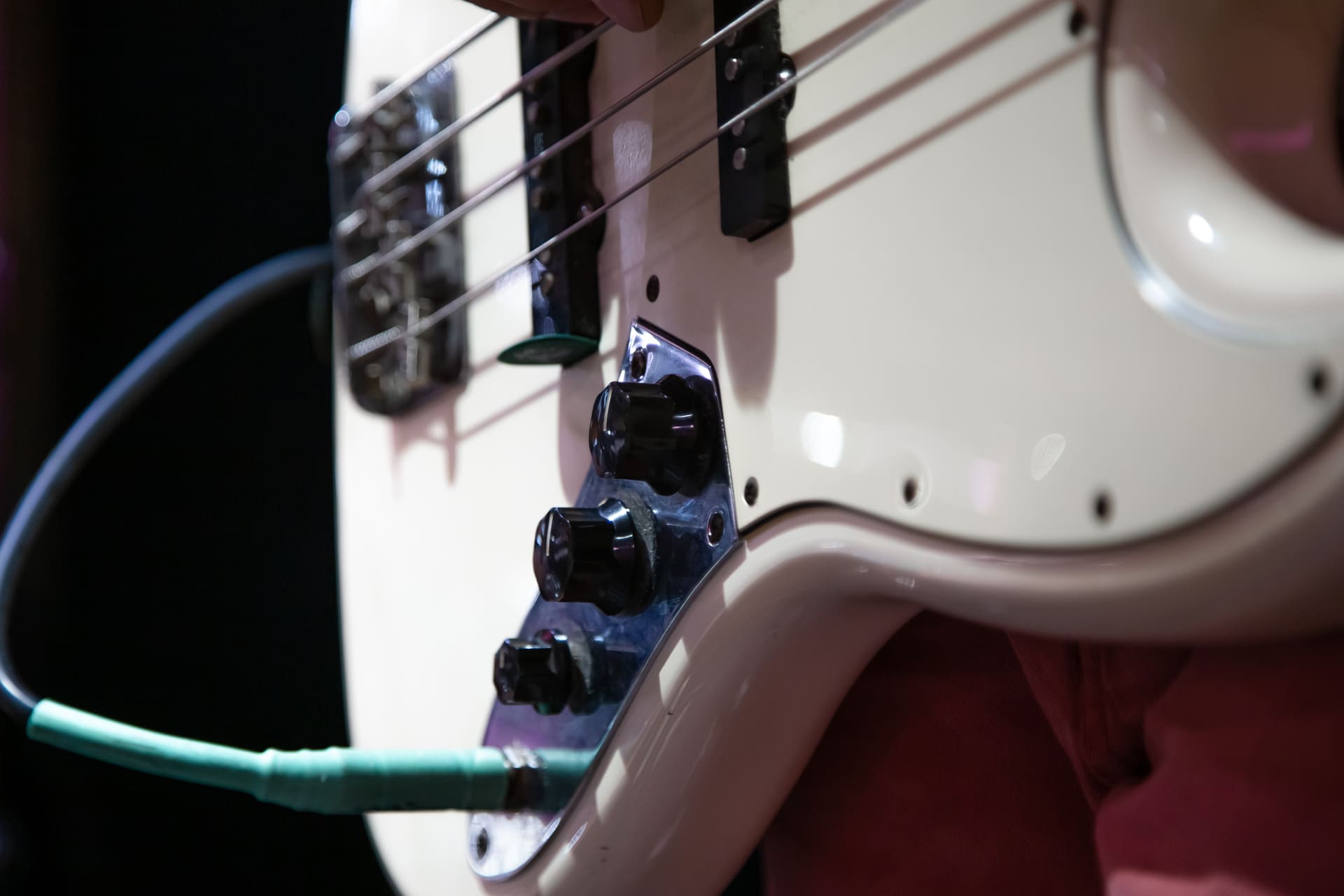
Elevate Your Bass Playing from Fundamentals to Funk at BRT Music School
At BRT Music School, we know that the bass guitar is far more than just a rhythm keeper. It’s the heartbeat of the band, providing the foundational groove, harmonic depth, and often, the most memorable melodic hooks. If you’re looking to elevate your bass playing from simply holding down the root note to crafting infectious riffs and improvising with flair, you’re in the right place!
The Foundation: Why the Bass is King of the Groove
The bass guitar expertly bridges the gap between rhythm and harmony. It locks in with the drums to create the rhythmic backbone, while simultaneously outlining the chord progression, giving the music its harmonic direction. A great bass line hooks the listener, makes a song feel good, and gets feet tapping, making people want to move.
Think of Queen’s iconic “Another One Bites the Dust!” It’s a prime example of a bassline that defines a song. You can check it out here: https://www.youtube.com/watch?v=rY0WxgSXdEE
Crafting Killer Bass Riffs
The “riff” is the short, repeated musical phrase that’s often the most recognizable part of a song. As you can distinctly hear in Queen’s “Another One Bites the Dust,” the bass riff is the anchor instrument at the start of the song that instantly engages the listener, creating the underpinning rhythmic pattern that drives the melody. This is a great example of how the bass interacts with the percussive elements of the drums (synchronizing with the kick drum to drive the beat) and influences the chord progression and melodic flow of the song.
Here are our tips for creating your own compelling bass riffs:
- Start with the Root: Always know the root note of the chord you’re playing over. This is your anchor, providing stability and direction.
- Explore the Chord Tones: Beyond the root, experiment with the 3rd and 5th of the chord. These notes provide harmonic richness and can serve as great “fillers” and passing notes.
- Add Passing Tones: By understanding scales and the idea of modes, you can introduce notes outside the chord that lead smoothly to the next chord tone. These create movement and add interest to your lines.
- Rhythmic Variation: This is a crucial component to help broaden the musical texture of a song. Explore different note values (eighth notes, sixteenth notes, rests, and syncopation) beyond just straight quarter notes. Listen carefully to how the kick and snare drums are playing together and try to complement their rhythm.
- Listen to the Melody: Sometimes, a great bass riff can subtly echo or complement the vocal melody or a lead instrument’s line. Innovate and expand by improvising on the existing foundations of the music.
- Simplicity is Power: Often, the most effective bass riffs are deceptively simple but incredibly well-placed rhythmically. Think again of classic bass lines like “Another One Bites the Dust” or “Stand By Me” – their power lies in their precision and groove.
Unleashing Your Inner Improviser
Improvisation on the bass isn’t about playing random notes; it’s about making thoughtful musical choices in the moment that truly serve the BRT (Beat, Rhythm, and Tempo) of the song.
Here’s how to start improvising effectively:
- Know Your Scales: Master major and minor scales, and their related modes (e.g., Dorian, Mixolydian). These provide the essential “vocabulary” for your improvisation.
- Arpeggios are Your Friends: Practice playing the notes of each chord (arpeggios) up and down the neck. This will improve your timing and help you outline the harmony more clearly.
- Listen, Listen, Listen: Pay close attention to what the drums, guitar, and vocals are doing. Your improvisation should enhance, not detract from or dominate, the overall sound.
- Rhythmic Focus: Even when improvising melodically, always maintain a strong rhythmic foundation. The bass still needs to anchor the groove.
- Call and Response: Try playing a short phrase and then immediately responding to it, or responding to a phrase played by another instrument. This creates a musical conversation.
- Less is More: Don’t feel the need to play constantly. Space and silence are just as important as the notes themselves. A well-placed, sparse line can be much more impactful than a busy one.
- Practice Over Backing Tracks: Use backing tracks (preferably with the bass removed – there are apps available that can do this) to practice improvising in different keys, genres, and styles, simulating a real band environment.
At BRT Music School, we guide our bass students through these techniques and more, helping them develop the confidence and creativity to become truly indispensable members of any musical ensemble.
Ready to lay down some serious grooves?
Enrol today in our Bass Guitar Course!